
How to Turn a Property Into a Strong Long Term Investment
Steve Lynch, Operations and Property Management Officer, Operation Red Dot
James Marszalek, Owner & Designated Broker
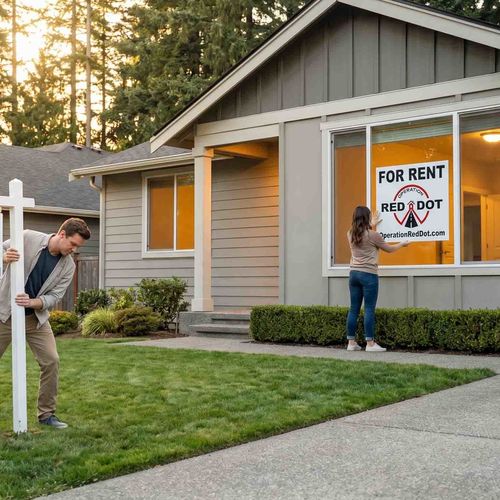
Many homeowners become landlords unexpectedly.
A move happens. A home does not sell. And suddenly, renting becomes part of the plan.
The difference between a stressful experience and a successful investment is simple:
structure.
What You’ll Learn
- what separates strong rental properties from weak ones
- how professional management creates consistency
- the key systems behind successful rentals
- how to reduce risk and increase stability
Quick Snapshot
Strong Rental Setup
- clear tenant screening
- consistent maintenance
- structured communication
- defined financial process
Weak Rental Setup
- reactive decisions
- unclear expectations
- inconsistent maintenance
- poor tenant selection
 Local Market Reality
The JBLM area supports one of the most consistent rental markets in Washington.
Military relocations and workforce growth create reliable demand.
But performance still depends on how the property is managed.
Featured Insight
Most rental problems do not come from bad tenants.
They come from unclear systems and inconsistent management.
The Core Components of Strong Property Management
Tenant Screening
Tenant screening is the foundation of rental success, and getting this step right protects everything that follows. A thorough process looks beyond basic income and credit, focusing on rental history, consistency, and patterns of behavior. The goal is not just to fill the property quickly, but to place a tenant who will pay on time, take care of the home, and stay longer. Strong screening reduces turnover, limits damage, and prevents many of the problems owners worry about most.
Lease Structure
A well-written lease creates clear expectations from the start and helps avoid confusion later. It should outline responsibilities, timelines, and consequences in a way that both the owner and tenant understand. When expectations are clear, there are fewer disagreements and less room for interpretation during difficult situations. This structure becomes the backbone for handling issues consistently and professionally.
Maintenance Systems
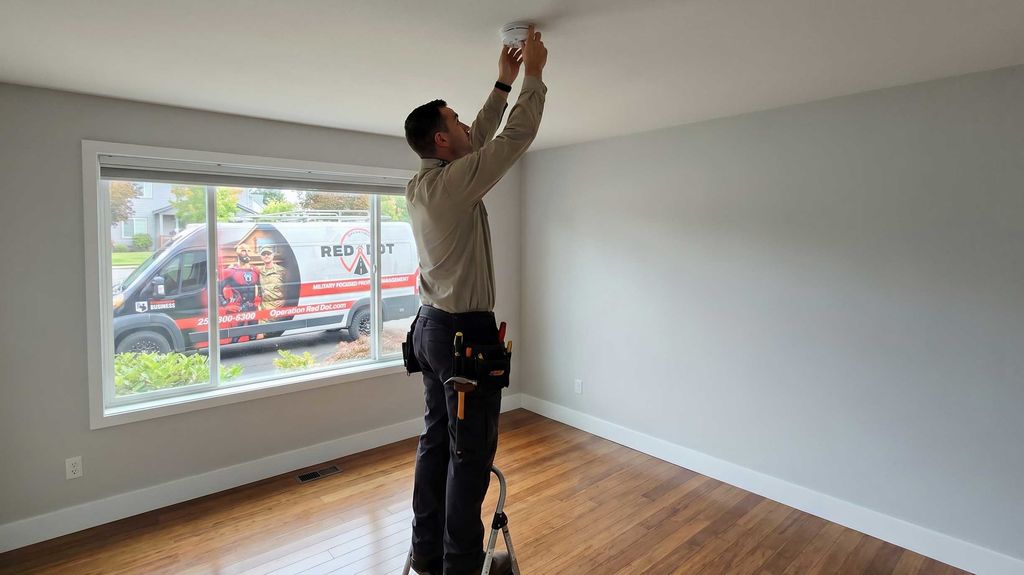
Maintenance should be proactive, not reactive, because small problems tend to grow into expensive ones when ignored. A strong system includes regular check-ins, clear reporting channels for tenants, and trusted vendors who can respond quickly. Preventive maintenance protects the condition of the home and keeps tenants satisfied. Over time, this approach reduces long-term costs and avoids major disruptions.
Communication
Consistent communication builds trust and keeps small issues from turning into larger problems. Both owners and tenants benefit from clear, timely updates and a predictable process for handling questions or concerns. When communication is structured and professional, it creates a more stable rental experience for everyone involved. This consistency is often what separates a smooth investment from a stressful one.
 Financial Tracking
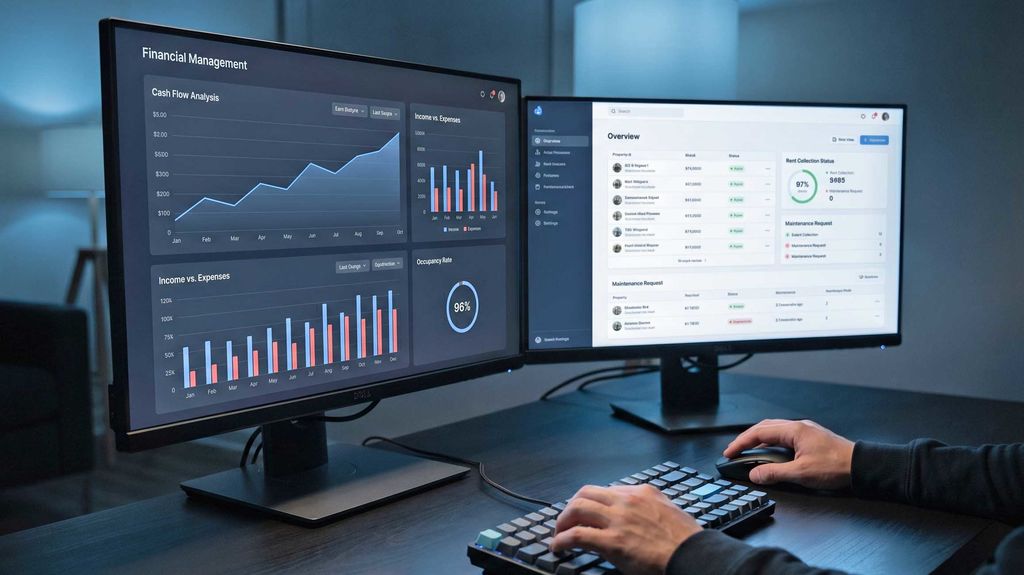
Accurate financial tracking gives owners a clear picture of how their property is performing over time. This includes income, expenses, maintenance costs, and long-term trends that impact decision making. With organized reporting, owners can evaluate whether to hold, sell, or expand their investment. Clear numbers lead to better decisions and fewer surprises.
Find Out if Property Management is the Right Path For You! Contact Us (no obligation)...
Comparison: Structured vs Unstructured Management
Factor | Structured | Unstructured |
|---|---|---|
Tenants | Screened carefully | Reactive placement |
Maintenance | Preventative | Emergency only |
Communication | Clear systems | Inconsistent |
Financials | Tracked | Unclear |
A Simple Evaluation Tool
Question 1
Do you have a clear tenant screening process?
Question 2
Are maintenance issues handled proactively?
Question 3
Do you have consistent communication systems?
Question 4
Do you track financial performance clearly?
 Where Operation Red Dot Fits In
Property management is not just about handling tasks.
It is about creating a system that protects the property and supports long term performance.
At Operation Red Dot, we focus on:
- structured processes
- clear communication
- proactive maintenance
- long term investment thinking
Because the goal is not just to rent the home. It is to make it perform.
Check out this article next