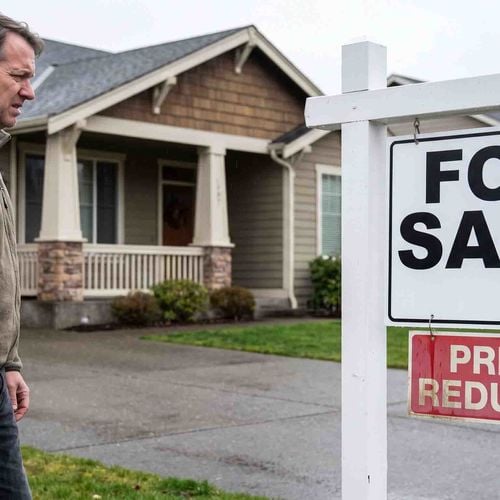


A guide to discuss whether a home is ready to become a rental
By James Marszalek, Owner & Designated Broker, Operation Red Dot
A rental-readiness consultation should help you answer a simple question: what needs to happen before this Pierce or Thurston County home can become a well-managed rental?
The answer is usually bigger than cleaning the house and choosing a rent. A productive consultation should cover the management agreement, property condition, repairs, insurance, maintenance authority, homeowners association rules, utilities, pets, tenant screening, and the timeline for getting the home into management.
Preparing for those topics before the meeting makes the conversation more useful. You will know which documents to bring, which decisions are still yours to make, and which questions deserve a clear answer before you sign a management agreement.
This is especially helpful if you expect to manage the relationship from another city or state, or if a Permanent Change of Station (PCS) relocation is moving your household away from the JBLM area. But the same checklist works for local owners as well.
You do not need to have every answer before the consultation. The purpose is to surface the right questions, identify any rental-readiness gaps, and leave with a clear plan for what happens next.
What You'll Learn
- The nine topics worth preparing before a rental-readiness consultation.
- What information and documents may help the discussion.
- Which decisions still belong to the owner.
- What a useful consultation should clarify before the home is marketed.
DECISION SNAPSHOT A strong rental-readiness consultation should leave you knowing four things: what the home needs before marketing, what the management relationship includes, what decisions still require your approval, and what the transition timeline looks like. |
"The purpose of a rental-readiness consultation is not to prove that your home is ready today. It is to identify what is ready, what still needs work, and what must be decided before a tenant moves in." - James Marszalek
Local Market Reality: The Property and Jurisdiction Both Matter
Rental readiness is property-specific. A newer Lacey home may have a very different preparation list from an older Tacoma home, a rural property near Yelm, or a condominium with association restrictions.
The rules can also change with the address. Washington's Residential Landlord-Tenant Act applies statewide, while cities such as Tacoma add local requirements. Your consultation should identify which rules, registrations, notices, screening standards, and operating requirements apply to the home's actual jurisdiction. A rental-readiness consultation should make clear what the manager handles, what you still decide, and what needs to happen before the home is marketed.
Nine Topics to Prepare for a Rental-Readiness Consultation
Use the following agenda before or during a consultation with any property management company. You do not need to solve every item yourself. The goal is to know what should be discussed.
Topic | Questions to Ask | What to Have Ready |
|---|---|---|
1. Pricing & scope | What does the management agreement include? Which services have separate charges? How are leasing, renewals, reporting, and owner communication handled? | Your goals, timing, expected level of involvement, and any service you assume is included. |
2. Projects & turnovers | How are make-ready work, larger repairs, renovations, turnovers, and insurance-related construction coordinated and priced? | Known projects, prior damage, claim history, repair records, budget limits, and target readiness date. |
3. Insurance & warranties | What landlord coverage should be reviewed? How are tenant insurance, insurance claims, and home warranties handled? | Current policies, warranty documents, insurer contacts, deductibles, and known coverage questions. |
4. Maintenance & inspections | What is the repair approval threshold? What happens in an emergency? How are work orders, inspections, vendors, and tenant-caused damage handled? | Known system issues, service history, preferred approval method, spending threshold, and available reserve funds. |
5. HOA communication | Who handles HOA notices and tenant violations? How are association rules communicated and fines addressed? | Current HOA documents, contacts, parking/use restrictions, and any open violations. |
6. Utilities | Which utilities stay with the owner? Which transfer to the tenant? How are utilities handled during vacancy or turnover? | Account information, shutoff locations, recurring services, and owner-paid obligations. |
7. Pet policy | How are pets handled in marketing, screening, lease terms, property restrictions, and accommodation requests? | Any HOA or insurance restrictions and property-specific concerns. Fair-housing requirements still apply. |
8. Tenant screening | What written criteria are used? How are income, rental history, background information, and local screening rules handled? | Any lawful property restrictions that need disclosure. Applicant decisions should follow a consistent screening process. |
9. Transition timeline | What happens after the agreement is signed? When does the property review occur? What must happen before marketing, leasing, accounting setup, and the first owner statement? | Keys, remotes, lease/tenant records if occupied, deposits, warranties, permits, vendor history, property documents, and target dates. |
You should leave the consultation knowing who handles the routine work, what still needs your approval, and what happens if an urgent decision comes up when you cannot be reached." — James Marszalek

Bring the Property's History, Not Just the Address
A manager can give better advice when the property's operating history is available. Useful records may include:
- Keys, remotes, access instructions, parking details, and HOA contacts.
- Insurance policies, home warranties, repair records, inspection reports, permits, and vendor contacts.
- Utility accounts, shutoff locations, appliance information, and recurring service schedules.
- Known leaks, drainage problems, system issues, prior damage, open claims, or upcoming work.
- If the home is already rented, the current lease, deposits, tenant records, and active notices.
Three Questions That Should Be Answered Before the Meeting Ends
- What can the property manager handle without contacting me first?
- What decisions require my approval, and how quickly will I be expected to respond?
- What happens if I cannot be reached when the property needs an urgent decision?
For an owner who will live out of state, travel frequently, or be unavailable during work hours, these answers matter as much as the fee schedule.
A Simple Rental-Readiness Notes Sheet
Use these blanks during the consultation:
Planning Item | Your Notes |
|---|---|
Estimated market rent | $____________________________ |
Monthly management / recurring fees | $____________________________ |
Leasing, renewal, or project fees | $____________________________ |
Repair approval threshold | $____________________________ |
Emergency authority when I cannot be reached | ______________________________ |
Reserve to keep available | $____________________________ |
Inspection / property review schedule | ______________________________ |
Target marketing or transition date | ______________________________ |
Next owner decision | ______________________________ |
If Selling Later Is Still an Option
If you may rent only temporarily, bring that up during the consultation. Lease length, renewal timing, tenant rights, showing access, property condition, and your expected return or sale date can all affect the plan.
It can be useful to set a future review date rather than assume the home can become vacant whenever you decide to sell.
Want Help Preparing for the Consultation?
If you would like help working through these questions, Operation Red Dot offers property management consultations for owners in Pierce and Thurston Counties and the JBLM area. A consultation can help you review rental readiness, likely rent, maintenance priorities, owner responsibilities, and the transition into management.
If you want to understand the Red Dot approach before scheduling a conversation, these resources provide more detail:
How to Select a Property Manager
Operation Red Dot Property Management
The Bottom Line
A rental-readiness consultation should prepare both the property and the owner for what comes next. You should understand the likely work, the management scope, the approval process, the operating rules, and the timeline before the home is marketed.
The checklist is useful whether you ultimately hire Operation Red Dot or another property management company. The goal is the same: make the rental decision with fewer surprises and clearer expectations.
REQUEST A RENTAL-READINESS CONSULTATION

Check out this article next