


Questions to Ask During the First Two Conversations
By James Marszalek, Owner & Designated Broker, Operation Red Dot
Choosing the right property management company is one of the most important decisions a rental property owner can make. The company you select will be responsible for protecting your investment, communicating with tenants, coordinating maintenance, and helping keep your property occupied.
In the past, many property management companies scheduled a property visit early in the process. Today, the industry has shifted toward a different approach. Most companies now begin with two structured conversations before a management contract is signed.
These conversations help both the property owner and the management company determine whether the relationship is a good fit before moving forward.
Once a contract is signed, the property manager typically performs a formal property visit or inspection. If that inspection reveals issues that could delay renting the home, either party may choose to adjust or cancel the agreement.
This guide walks through how many property owners structure those early conversations and the types of questions that help them evaluate a potential property manager.
You do not need to ask every question listed below. Many owners choose the topics most relevant to their property and investment goals
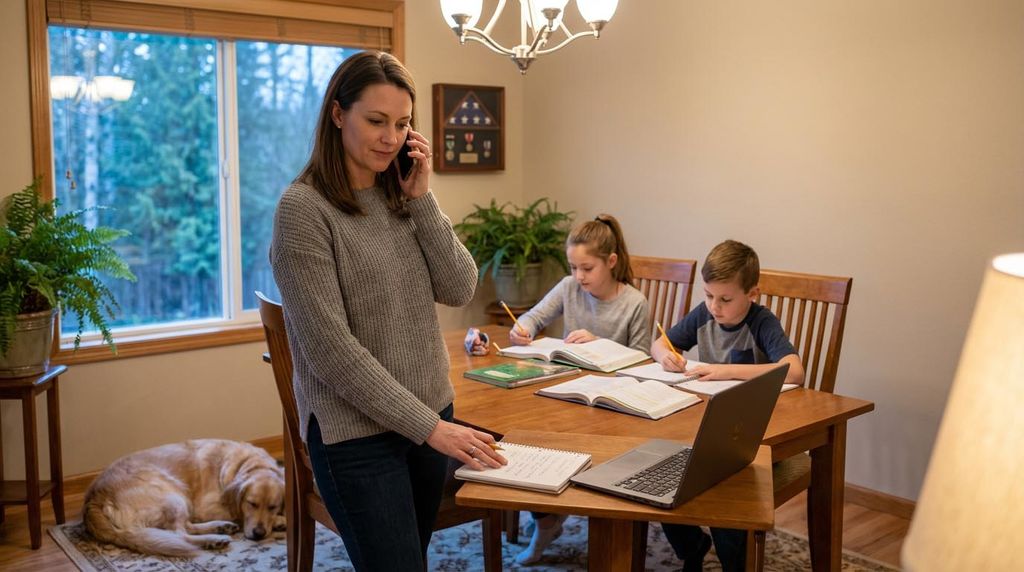
Quick Overview of the Modern Selection Process
Most property management companies now structure the relationship in three phases.
Phase 1
Initial phone intake conversation, approximately 10 minutes.
This allows the company to learn basic information about the property before researching the market and preparing for the next discussion.
Phase 2
Follow up Zoom or phone meeting, typically 60 to 90 minutes.
This conversation covers the details of the property, the management approach, and the terms of the management agreement.
Phase 3
Contract signing followed by a property visit or inspection.
If the inspection reveals issues that could delay renting the property, both parties will work together to find an acceptable solution that works for everyone.
Local Market Reality Near JBLM
Rental demand in the South Puget Sound remains strong, especially in communities surrounding Joint Base Lewis McChord.
Cities such as Tacoma, Lacey, DuPont, Lakewood, Spanaway, and Yelm see consistent demand from relocating military families, regional employers, and new residents moving to Pierce and Thurston counties.
Because of this steady demand, many homeowners who originally planned to sell eventually consider keeping their property as a rental investment.
Selecting a property manager who understands the local market can make a major difference in how quickly a home rents and how well it performs over time.

Questions for the Initial Phone Conversation
The first conversation is usually brief and focused on gathering basic information.
This call helps determine whether it makes sense to continue the discussion.
Licensing and Insurance
- Are you a licensed property manager in Washington?
- Does your company carry errors and omissions insurance?
- Do you maintain general liability coverage for your business?
Licensing and insurance protect both the property owner and the management company.
Experience and Specialization
- How long have you been managing rental properties?
- Have you personally owned rental property?
- What types of properties do you typically manage?
Experience with similar properties can be valuable when evaluating rental strategy.
Portfolio and Team Structure
- How many properties do you currently manage?
- Do you work alone or as part of a team?
- Who would be my primary contact?
Understanding the company structure helps clarify communication expectations.
Company Approach
- Do you focus primarily on property management or also real estate sales?
- What do you believe differentiates your company from others in the area?
These questions help reveal the company's philosophy and priorities.
INTERVIEW US TODAY! BOOK A CALL
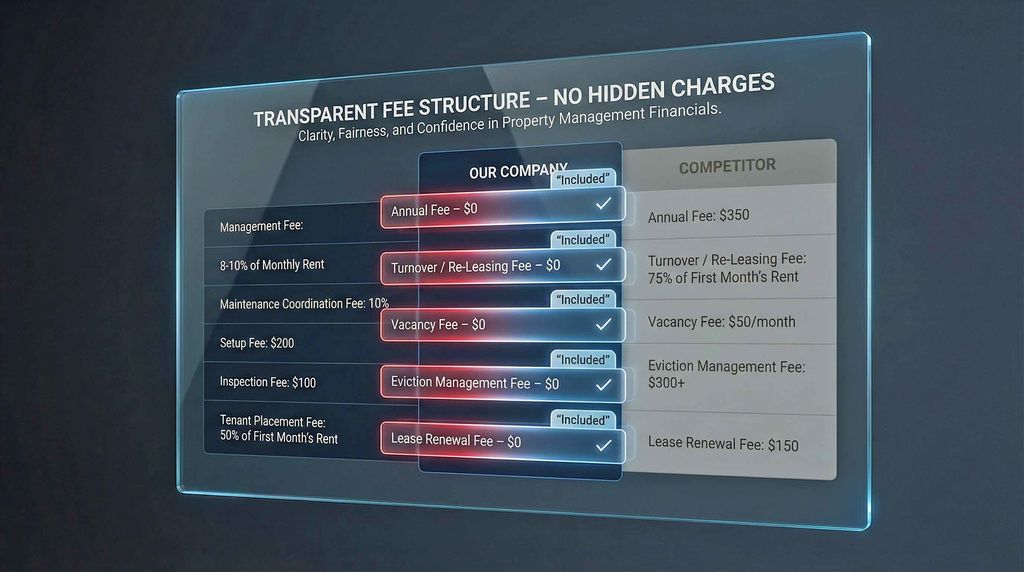
Then Ask a Property Manager About Fee Structure & Contract
- Is your management fee a percentage of rent or a flat fee.?
- Do you charge any other fees for doing property management related tasks, like inspections, or managing utilities or maintenance work?
- Do you charge fees when the property is vacant?
- What is your tenant placement fee?
- Do you charge lease renewal fees?
This conversation helps clarify the financial structure before moving into deeper discussions.
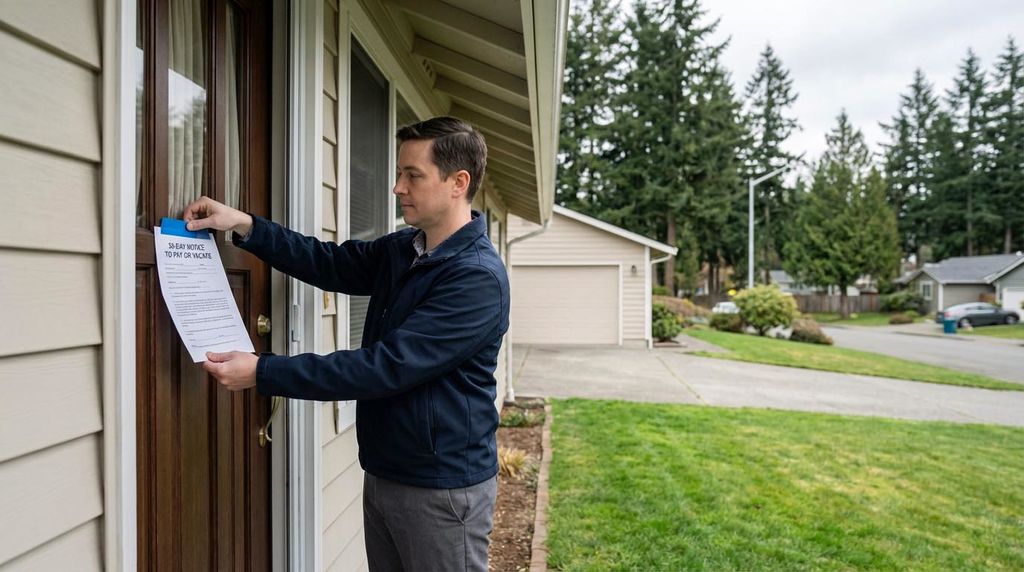
Finally Ask a Property Manager About Their Legal History
Legal and Compliance Questions
- Have you ever been involved in legal disputes with tenants or owners?
- How do you ensure compliance with fair housing laws?
- Have regulatory agencies ever filed complaints against your company?
Understanding a company's compliance history is important when evaluating risk.
Featured Insight
Many property owners discover that the first conversation helps eliminate several potential companies quickly. Differences in communication style, fee structure, or experience often become clear early in the process.
BOOK A CALL & INTERVIEW US! WE WILL EARN YOUR TRUST
Questions for the Follow Up Zoom or Phone Meeting
If the first call goes well, the next step is typically a longer conversation, often conducted via Zoom or similar video platforms.
This meeting explores the details of the property management relationship.

Communication Expectations
- How often will you update me about my property?
- What methods of communication do you use with owners?
- What response time should I expect for emails or calls?
Clear communication expectations are one of the most important elements of a successful management relationship.
Tenant Screening and Leasing
- What rental criteria do you use when screening tenants?
- Who makes the final decision on tenant approval?
- How long does the tenant placement process usually take?
- Can you provide a copy of your standard lease agreement?
Tenant screening policies strongly influence the quality of long term tenants.
Featured Insight
Strong tenant screening is one of the most effective ways to protect a rental property. Careful verification of income, rental history, and background information helps reduce evictions and lease violations.

Vacancy Management
- How quickly do your properties typically rent?
- How do you balance rental price with vacancy time?
- Do you offer tenant placement guarantees?
Vacancy strategy is an important factor in overall investment performance.
Rent Collection and Owner Payments
- How is rent collected from tenants?
- When are rent proceeds distributed to owners?
- What happens when tenants pay late?
Understanding the financial process helps owners anticipate cash flow.

Maintenance and Property Care
- How often are properties inspected?
- What maintenance issues require owner approval?
- Do you use in house maintenance or outside vendors?
- Are your contractors licensed and insured?
Maintenance management directly affects both property condition and tenant satisfaction.
Emergency Repairs and Tenant Issues
- How do tenants report maintenance problems?
- What qualifies as an emergency repair?
- How are after hours issues handled?
Emergency response systems are an important part of property management operations.
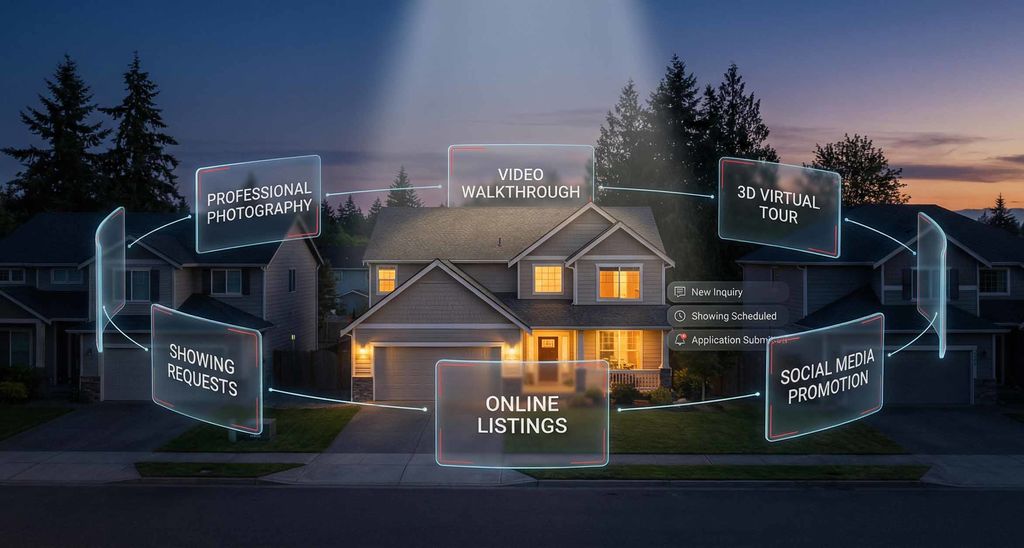
Marketing Approach:
Finally, at your follow-up second phone or office meeting you can explore the management firm's ability and process to fill vacancies - their marketing.
- How would you market my property? Can you show me an example of one of your property listings? Understand the property manager's marketing strategy and review examples of their listings for quality.
- Will you advertise and show a property while it's occupied, or do you insist on properties being vacant before you advertise them? Determine the property manager's policy on showing occupied properties to minimize vacancy losses.
- How do you determine when to raise the rent? Will they raise rates on good tenants? Is there a reason they wouldn't raise the rent even if the market called for it? Align with the property manager's philosophy on rent adjustments and their approach to balancing market rates with tenant retention.
- Do you perform a market evaluation for every renewal? Ensure the property manager conducts market evaluations for rent adjustments at lease renewals.
- How are market rents calculated? What are your rental rates based on? Confirm the property manager's process for determining competitive rental rates based on market analysis and property amenities.
- When do you recommend lowering the rent to fill a vacancy? Assess the property manager's strategy for reducing rents to maximize occupancy while maintaining profitability.
- If I find a potential deal, are you willing to analyze the property to determine its curb appeal and potential rental price? Check if the property manager is open to providing analysis for potential property acquisitions to inform your investment decisions.
Final Step Before Management Begins
Once both conversations are complete and both parties agree to move forward, the property management contract is typically signed.
After the agreement is in place, the property manager schedules a formal property visit or inspection—most often once the home has been fully vacated. This timing matters. A vacant property allows for a complete, unobstructed view of its condition, something that is difficult to achieve when furniture, personal belongings, or active occupancy are still in place.
In some cases, a home may be listed for rent before it is vacant, but this approach is less common and comes with added complexity and risk. If this is being considered, it’s important to have a clear, upfront conversation with your property manager about the potential challenges, including access for showings, tenant expectations, and how condition issues are handled.
The inspection itself serves multiple purposes. It confirms the property is ready to rent, identifies any repairs needed before marketing, and helps establish a clear baseline condition. That baseline becomes critical later—it sets the standard for how the home should be maintained and ultimately returned by future tenants.
If the inspection reveals issues that could delay renting the property, both parties will work together to find an acceptable solution that works for everyone. This final step protects both the owner and the management company while setting the property up for long-term success.

Choosing the Right Property Manager
Selecting a property manager should feel like forming a long term partnership.
By structuring the process around two thoughtful conversations, property owners gain a clearer understanding of how a company operates before committing to a contract.
The goal is not simply finding someone who can manage a property. The goal is finding a team that understands your investment goals, communicates clearly, and has the experience to help your property perform well over time.
Asking thoughtful questions during these early conversations helps ensure you make that decision with confidence.
| LEARN MORE ABOUT OUR PROPERTY MANAGEMENT |

Check out this article next