

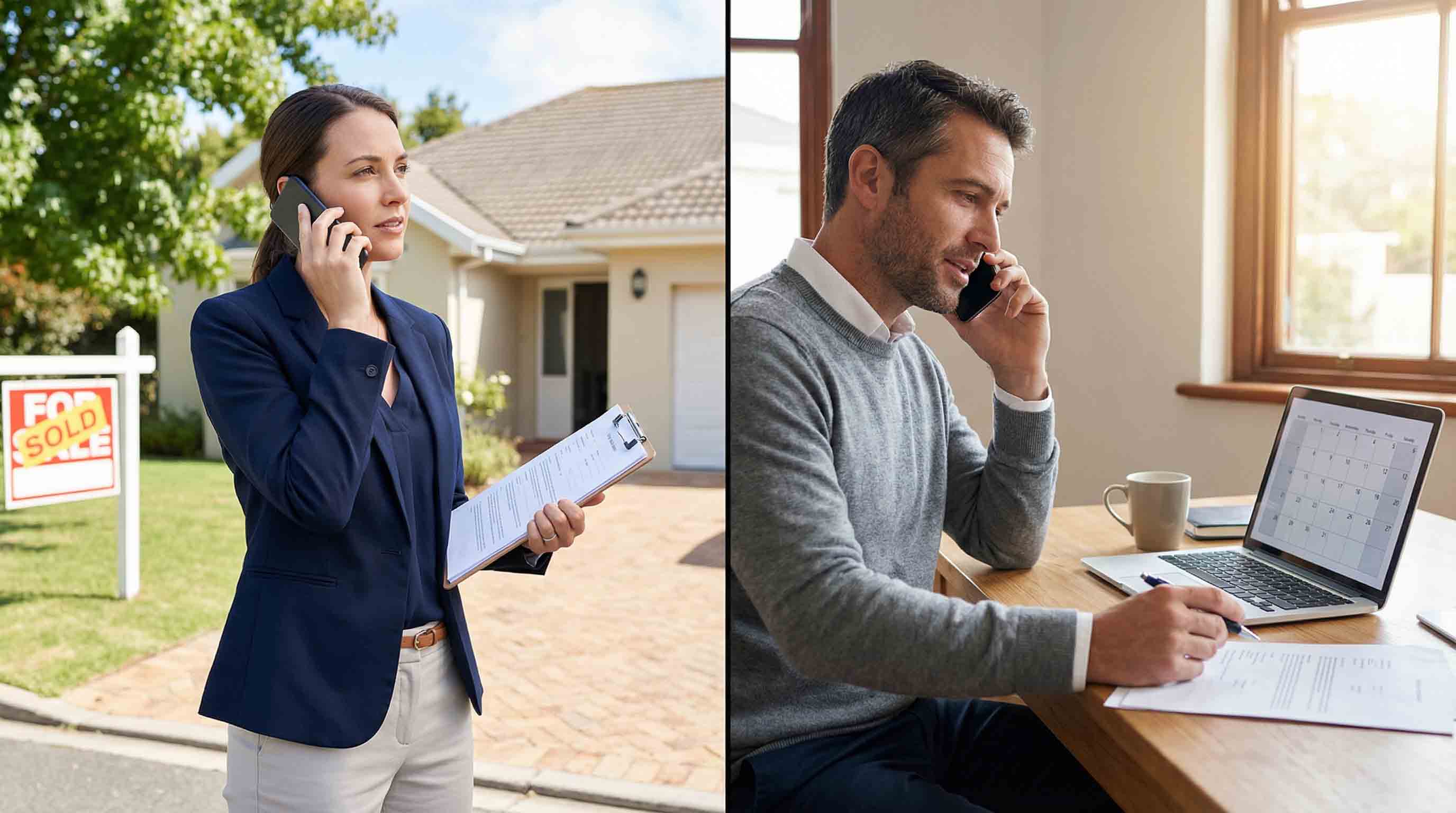
A Step-By-Step Strategy to Stand Out
Selling in 2026 Is Not the Same Game
If you’re preparing to sell, the biggest shift you need to understand is this:
Buyers have changed.
Higher interest rates mean:
- Fewer impulse decisions
- More scrutiny during showings
- Stronger negotiation on price and repairs
That means homes no longer sell for top dollar by default.
They sell well because the seller prepared intentionally before going live.
This guide shows you how to do exactly that.
Contents
- Decision Snapshot
- Step 1: Start with the Right Improvements
- Step 2: Focus on High-Impact Updates
- Step 3: Eliminate Easy Buyer Objections
- Step 4: Use Paint and Lighting to Reset the Space
- Step 5: Win the First Impression Outside
- Step 6: Create a Clean, Neutral Canvas
- Step 7: Deep Clean and Stage for Emotion
- Step 8: Add Efficiency and Modern Appeal
- Final Thoughts
 Decision Snapshot
If your goal is to maximize your sale price:
- Prioritize upgrades buyers actually value
- Fix small issues before they become negotiation points
- Keep the home clean, neutral, and move-in ready
- Invest in first impressions, both inside and outside
- Create a home buyers can emotionally connect with
Step 1: Start with the Right Improvements
Not all upgrades increase your sale price.
Some improvements pay off. Others don’t.
Focus on updates that:
- Improve function
- Reduce buyer concerns
- Make the home feel move-in ready
Energy efficiency is a strong example.
Buyers are increasingly looking for:
- Better insulation
- Sealed windows and doors
- Efficient HVAC systems
If you want a deeper look at what improvements tend to deliver value, the U.S. Department of Energy offers guidance on upgrades that improve both performance and buyer appeal.
 Step 2: Focus on High-Impact Updates
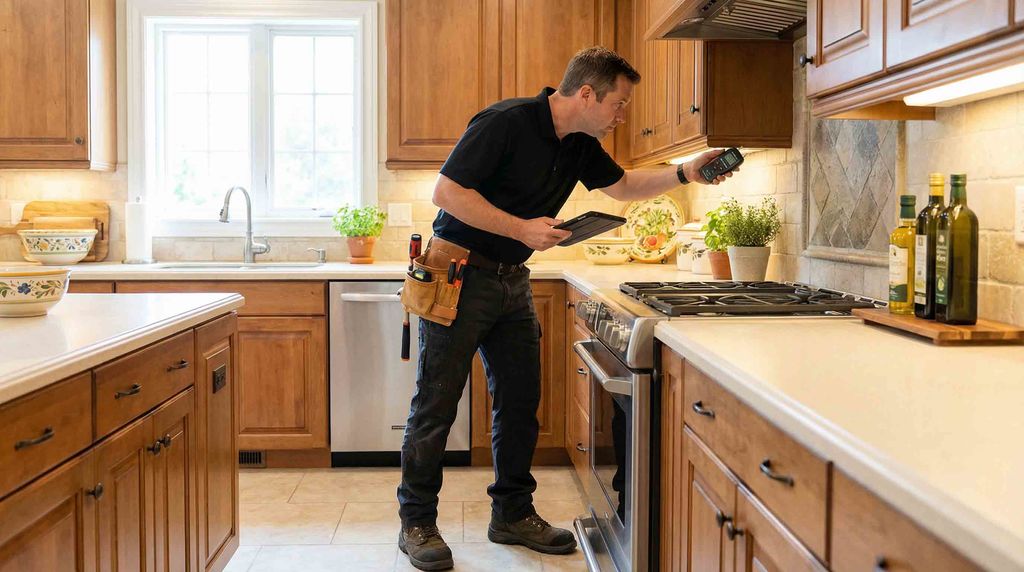
You don’t need a full remodel to make your home feel updated.
Small changes often deliver the biggest return.
Start with:
- Cabinet hardware
- Light fixtures
- Faucets and finishes
These updates:
- Modernize the home
- Improve visual consistency
- Signal that the home has been cared for
Done right, they help buyers feel confident without requiring a major investment.
Step 3: Eliminate Easy Buyer Objections
Buyers notice the small things, and they use them to negotiate.
Common issues include:
- Leaky faucets
- Loose handles
- Squeaky doors
- Minor cosmetic damage
These may seem minor, but they send a bigger message:
“What else hasn’t been maintained?”
Fixing these early protects your price and reduces friction during inspections.
Step 4: Use Paint and Lighting to Reset the Space
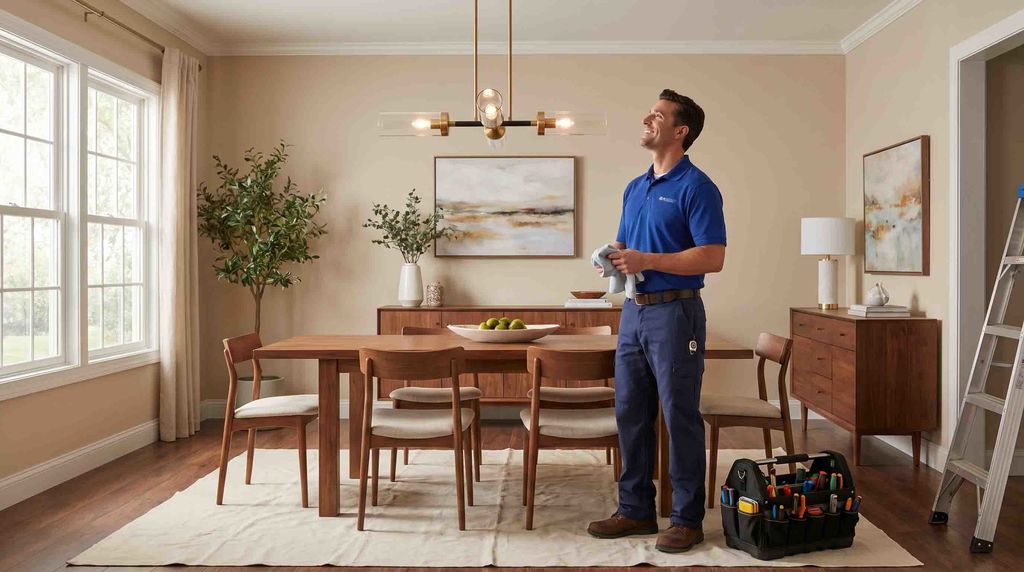
Paint is one of the simplest ways to increase perceived value.
Stick with:
- Neutral tones
- Clean, consistent finishes
- Bright, light-reflecting colors
Pair that with strong lighting:
- Open curtains for natural light
- Replace outdated fixtures
- Add lamps where needed
The goal is simple: make every room feel open, clean, and easy to walk into.
Step 5: Win the First Impression Outside
Before buyers ever step inside, they’ve already formed an opinion.
Curb appeal matters more than most sellers expect.
Focus on:
- Lawn care and landscaping
- Clean walkways and driveways
- A fresh front door or updated hardware
- Exterior lighting
According to the National Association of Realtors, strong first impressions can directly impact both buyer interest and perceived home value.
Step 6: Create a Clean, Neutral Canvas
Buyers need to picture themselves living in your home.
That’s hard to do if your space feels personal or crowded.
Start with:
- Removing excess furniture
- Clearing countertops and surfaces
- Packing away personal photos and items
This doesn’t mean removing all personality.
It means creating a space that feels:
- Open
- Flexible
- Easy to imagine
Step 7: Deep Clean and Stage for Emotion
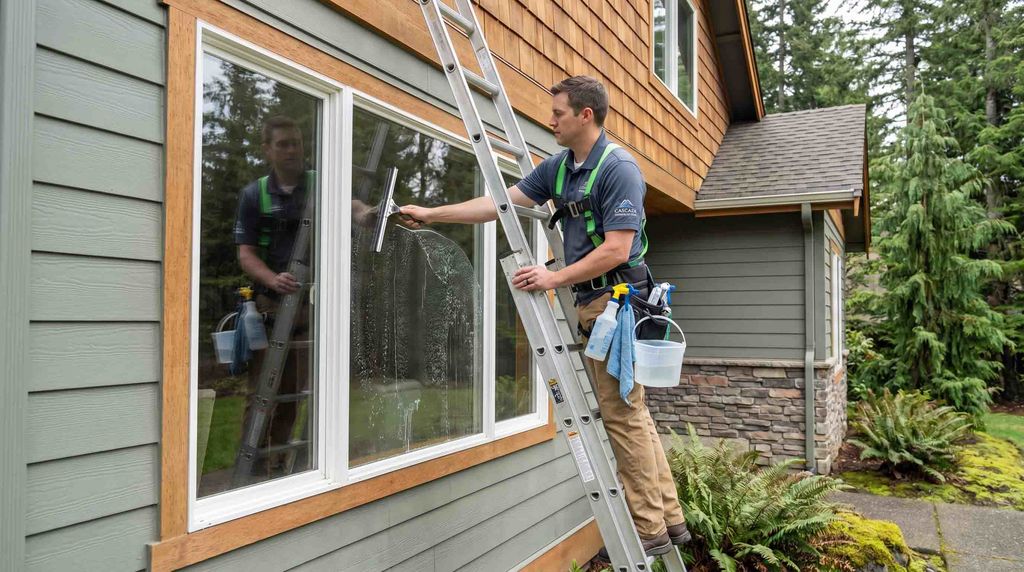
Clean homes sell faster and often for more.
Go beyond surface-level cleaning:
- Baseboards
- Windows
- Light fixtures
- Kitchens and bathrooms
If needed, hire professionals for a full reset.
Then stage intentionally:
- Arrange furniture to improve flow
- Use neutral bedding and decor
- Create inviting spaces, dining, living, outdoor areas
Staging is not about decoration.
It’s about helping buyers feel comfortable and confident.
Step 8: Add Efficiency and Modern Appeal
Today’s buyers are paying attention to long-term costs.
That’s where efficiency and smart features come in.
Consider:
- Smart thermostats
- Energy-efficient lighting
- Updated appliances
Even small upgrades can signal:
- Lower utility costs
- Better long-term value
- A more modern home
If you’re unsure which upgrades matter most, the ENERGY STAR program provides practical guidance on improvements buyers recognize and trust.
 Final Thoughts
Selling your home for the best price is not about luck.
It’s about preparation.
In today’s market, buyers are:
- More selective
- More cautious
- More informed
That means your strategy matters more than ever.
The sellers who win are the ones who:
- Prepare early
- Remove uncertainty
- Present their home clearly and confidently
If you’re deciding whether to sell now, or how much preparation makes sense for your situation, that’s where having the right plan, and the right guidance, can make a real difference. Contact me for a no-obligation free consultation, let’s build your plan with the right intel!